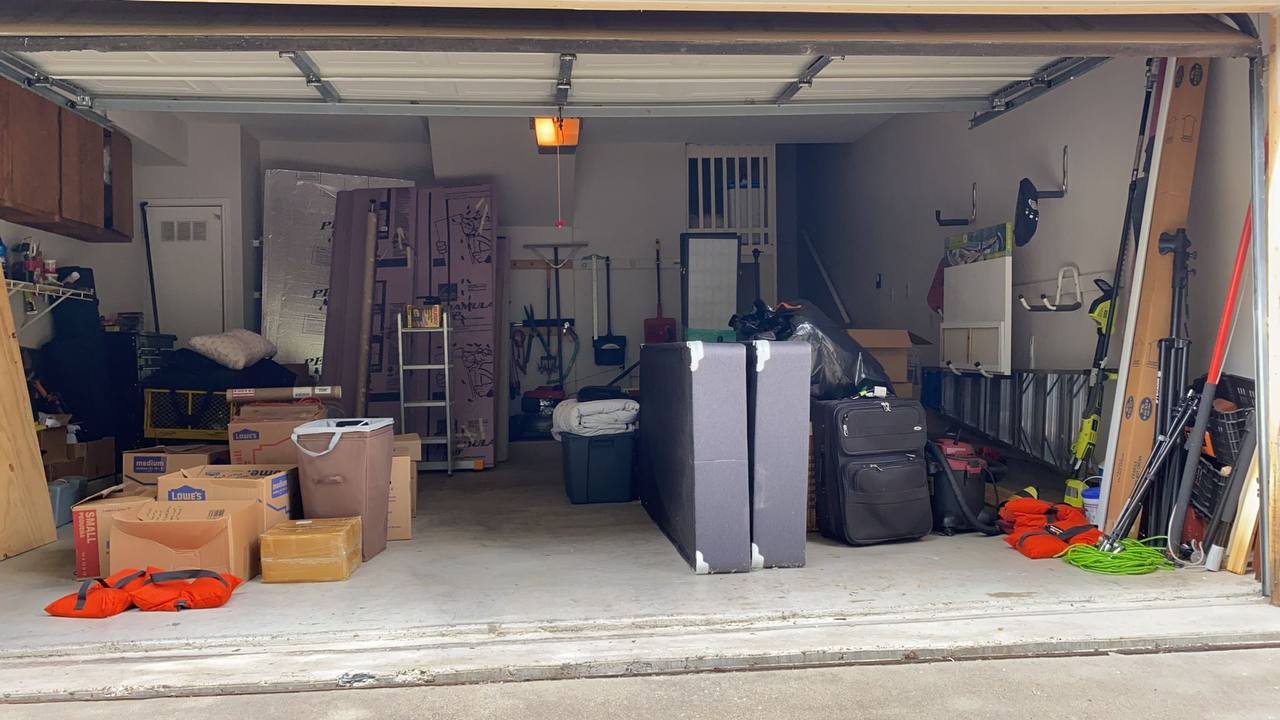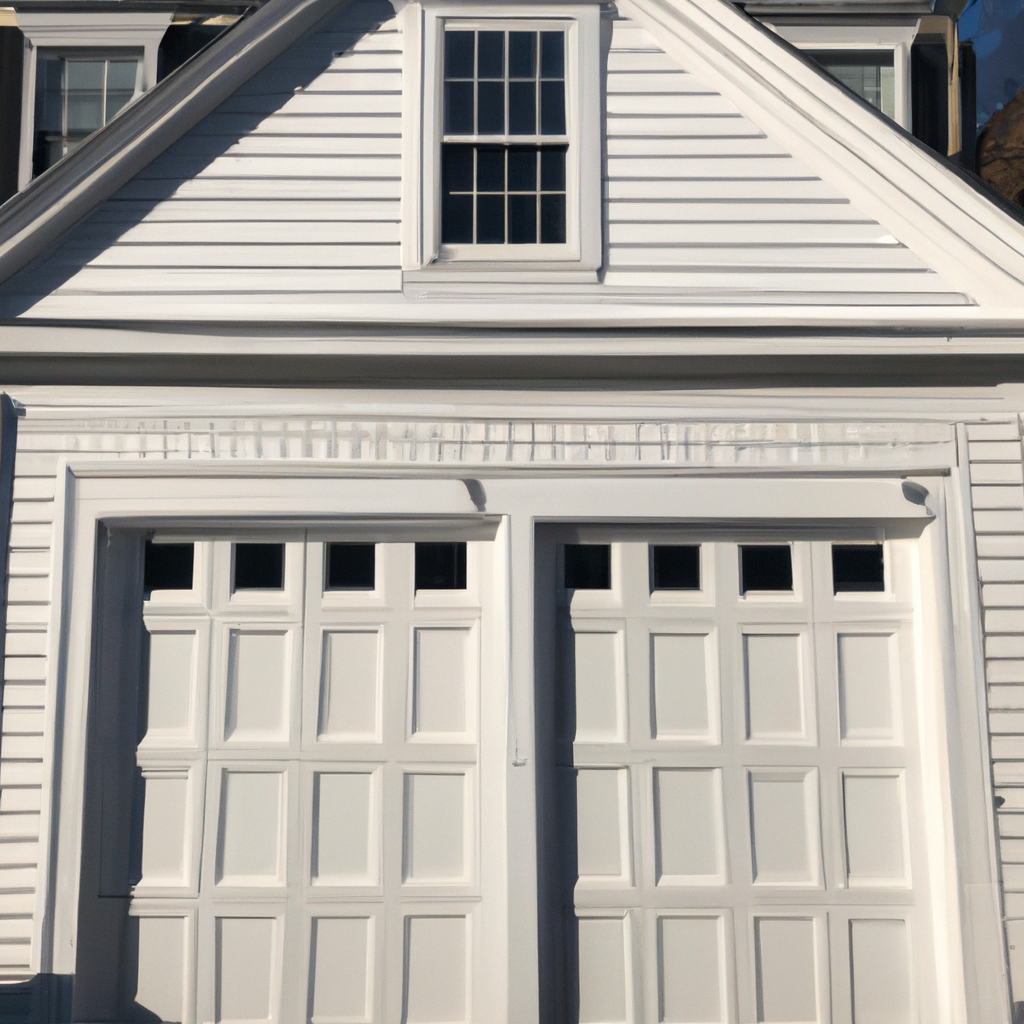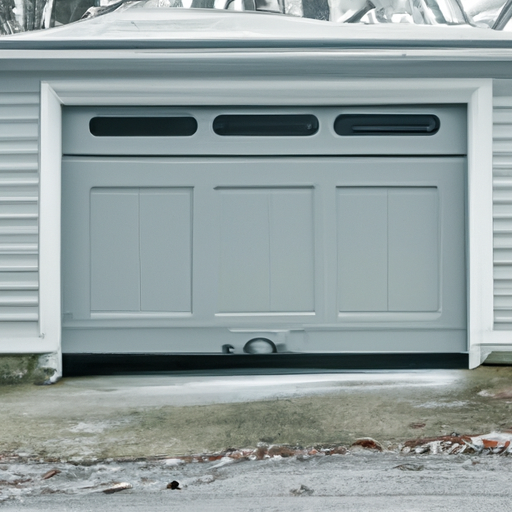
Homeowners in Wellesley, MA know how quickly New England weather stresses garage systems. This guide covers practical weatherproofing tactics for garage door repair that protect your car, tools, and energy bills without unnecessary cost.
Why weatherproofing matters for garage door repair
A garage door is more than curb appeal: it is a thermal and moisture barrier. Cold drafts, ice buildup, and wind-driven rain accelerate wear on springs, tracks, rollers, and openers. Proper weatherproofing reduces corrosion, prevents warping, and lowers heating costs for attached garages. If you want a quick read on recent local trends and seasonal tips, see our blog for short articles and updates.
Key weatherproofing components to inspect
Focus on the parts that fail most often in cold, wet conditions. Regular checks let you plan garage door repair before a small issue becomes an emergency.
Bottom seal and threshold
- Check the rubber bottom seal for cracks, hardening, or gaps. Replace if compressed or split—cold seals lose elasticity.
- Install a metal threshold plate if the concrete lip is uneven. A threshold helps the seal compress evenly and keeps out slush and salt.
Weatherstripping around the perimeter
- Inspect vertical and header seals for gaps at the corners—those are common leak points in Wellesley during heavy rain or melting snow.
- Use frost-resistant EPDM or silicone weatherstripping rated for subfreezing temperatures.
Insulation and door material
- Insulated steel or composite panels cut heat loss and reduce condensation on cold mornings.
- If your door is wood, watch for swelling and finish deterioration; weatherproof coatings and regular repainting help.
Local challenges in Wellesley, MA and practical fixes
Wellesley experiences freeze-thaw cycles, road salt, and heavy spring rains. Those conditions create specific failure modes that good weatherproofing can prevent.
Freeze-thaw and ice buildup
Ice can lift seals and jam tracks. Keep the base clear of packed snow and use a plastic shovel to avoid gouging the seal. Apply a de-icing agent safe for concrete and garage components, and check the seal after the first thaw—if it doesn’t reseal, replace it.
Salt and corrosion
Salt carried into the garage or through snow-laden vehicles accelerates metal corrosion on tracks and hardware. Rinse and wipe exposed metal, lubricate rollers and hinges with a dry silicone or synthetic spray, and consider stainless-steel fasteners when parts are replaced.
Wind-driven rain and flashing
Strong winds can force rain under the door if the header seal or threshold is compromised. A door sweep combined with a threshold plate and a tight header gasket prevents water migration. For persistent leakage, check the building’s exterior flashing and fix gaps where the garage frame meets the masonry.
DIY checklist and when to call a pro
Many weatherproofing tasks are straightforward, but some repairs require specialized tools or safety procedures. Use this checklist to decide what you can do and what to book as a professional service.
- DIY (low risk): replace bottom seal, add or replace perimeter weatherstripping, install threshold, clean and lubricate rollers and tracks, touch up paint on wood doors.
- Hire a pro (recommended): broken springs, bent tracks, opener alignment, replacing insulated door sections, electrical issues with openers, comprehensive weatherization upgrades for attached garages.
If you need a quote, or to schedule an inspection for complex issues, contact our team for clear pricing and same-week appointments: contact us.
Maintenance schedule and cost considerations
Regular maintenance is the best weatherproofing investment. A seasonal check before winter and again after spring thaw prevents most weather-related failures.
- Seasonal inspection (every 6 months): check seals, rollers, springs, tracks, and opener function.
- Minor weatherproofing jobs: seals and thresholds typically range from modest DIY costs (materials $30–$150) to professional installs ($150–$350) depending on door size and finish.
- Major repairs and upgrades: spring replacement, track realignment, or insulated door panel replacement can range higher—get an itemized estimate from a trusted service.
For a full list of weatherproofing services and scopes, see our detailed service options and upgrade packages on the services page.
Quick seasonal fixes you can do this weekend
- Clear the bottom area of snow and debris; test the seal with a sheet of paper to find leaks.
- Lubricate moving parts before the cold sets in—do not over-oil; silicone sprays prevent freeze buildup.
- Inspect opener photo-eyes for salt spray or grime; clean lenses with a soft cloth.
- Touch up exposed wood or rust spots with primer and paint to slow deterioration.
When in doubt, early intervention saves time and avoids emergency tow or service calls during storms. Our technicians work across Wellesley and the surrounding towns and can recommend cost-effective upgrades to extend the life of your garage doors.
Summary: practical next steps for Wellesley homeowners
Prioritize bottom seals, perimeter weatherstripping, and insulation. Schedule a professional inspection if you see warped panels, noisy operation, misaligned tracks, or if the opener struggles in cold weather. Regular seasonal maintenance combined with targeted weatherproofing keeps energy costs down and prevents weather-related failures.
If you want a local inspection and a clear quote, call our Wellesley team at (857) 678-3045 or use the contact page to request an appointment.
Frequently Asked Questions — Wellesley, MA
How does New England winter affect garage door repair timelines?
Cold temperatures slow down repair work because lubricants behave differently and seals are less flexible. Expect slightly longer lead times in deep cold or during snowstorms; schedule seasonal maintenance in early fall to avoid winter delays.
What range should I budget for weatherproofing a two-car garage door in Wellesley?
Basic weatherproofing (new bottom seal, threshold, and perimeter weatherstripping) typically costs $150–$450. Insulation upgrades and panel repairs increase the price—ask for a detailed estimate that lists parts and labor.
Are warranties affected by weatherproofing work?
Factory warranties cover specific replacement parts if installed according to manufacturer guidelines. Weatherproofing components usually carry short warranties; keep invoices and manufacturer paperwork to speed any claims.
Do I need a permit in Wellesley for garage door replacement or weatherproofing?
Most weatherproofing work and like-for-like door replacements do not require a building permit. Structural changes or electrical modifications to the opener may. Check with the Wellesley building department or ask us to confirm permit needs during your estimate.
How soon can a technician respond after I report a broken seal or frozen door?
For non-emergency weatherproofing, typical response is 2–5 business days; emergency roadside-style calls for broken springs or doors off tracks can be same-day depending on availability and conditions.
Helpful local resources in Wellesley, MA
- Garage Door Repair Boston
- Garage Door Repair Cambridge
- Garage Door Repair Newton
- Garage Door Repair Lexington
- Garage Door Repair Wellesley
- Garage Door Repair Brookline
- Garage Door Repair Somerville
- Garage Door Repair Burlington
- Garage Door Repair Andover
- Garage Door Repair Weston
- Garage Door Repair Belmont
- Garage Door Repair Westwood
- Garage Door Repair Sharon
- Garage Door Repair Needham
- Garage Door Repair Concord
- Garage Door Repair Hingham
- Garage Door Repair Scituate
- Garage Door Repair Marblehead
- Garage Door Repair Natick
- Garage Door Repair Milton
- Garage Door Repair Acton
- Garage Door Repair Medfield
- Garage Door Repair Sudbury
- Garage Door Repair Wayland
- Garage Door Repair Hanover
- Garage Door Repair Tewksbury
- Garage Door Repair Carlisle
- Garage Door Repair Dover
- Garage Door Repair Hopkinton
- Garage Door Repair Framingham